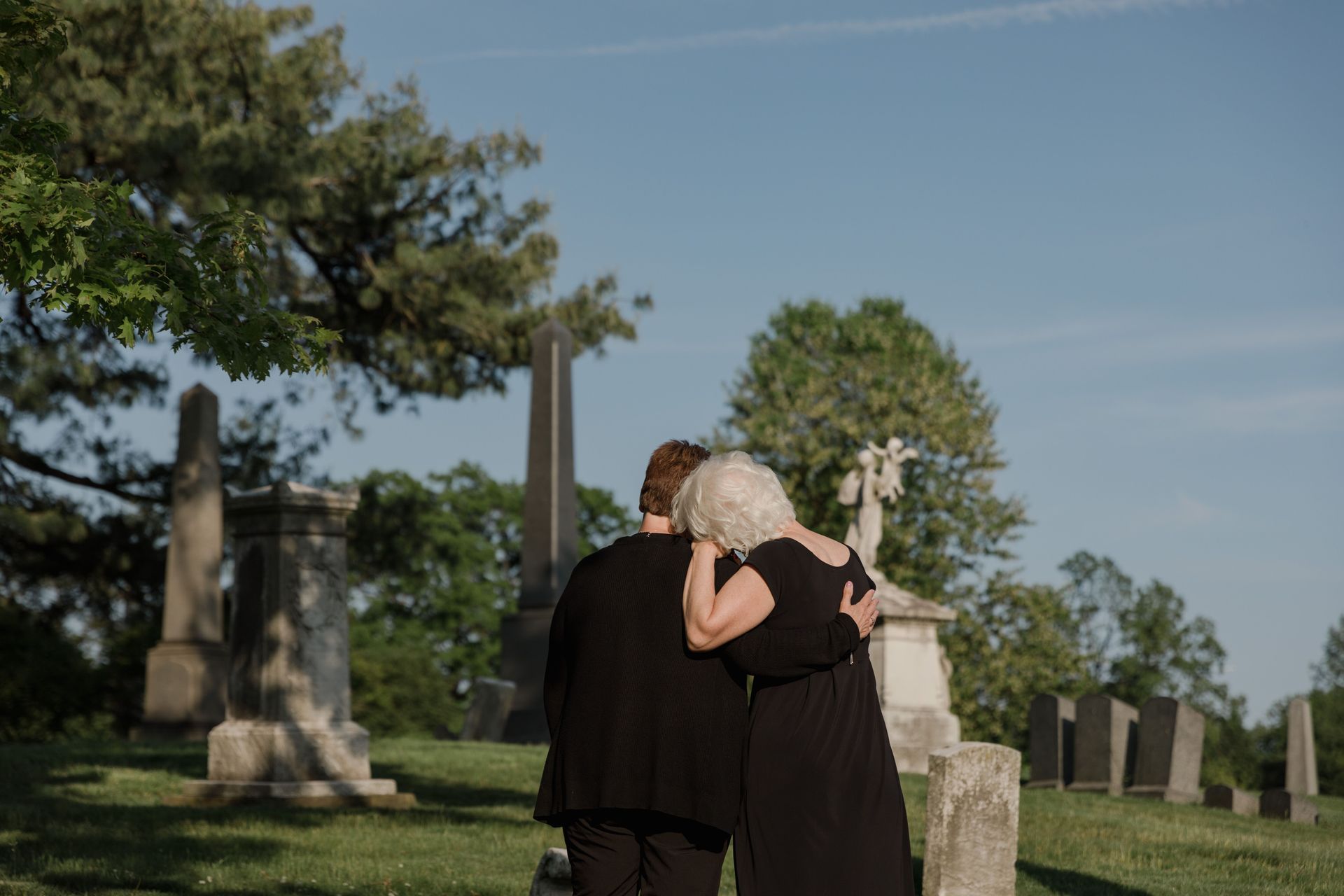

Winter Grief: Coping with Loss During the Colder Months

There's something about winter that can make grief feel heavier. The days get shorter. The sky stays gray longer. The world outside gets quieter — and somehow, that quiet has a way of making the absence of someone you love feel even more present.
If you've recently lost someone, or if you're carrying a loss from months or even years ago that seems to resurface every time the temperature drops, you're not alone. Coping with grief in winter is something many people experience, and it's something that doesn't get talked about enough. This post is for you — to help you understand what you're feeling, why winter can hit differently, and what you can do to take care of yourself through these colder months.
Why Winter Can Intensify Grief
Grief doesn't follow a calendar, but it is deeply affected by our environment. During winter, a few things happen all at once that can make loss feel more overwhelming than usual.
The reduced daylight is a big one. Shorter days mean less natural sunlight, which has a direct impact on our mood and energy levels. Many people experience Seasonal Affective Disorder (SAD) — a form of seasonal depression triggered by the change in seasons — and when you layer that on top of active grief, the emotional weight can feel significant. Winter depression and grief often go hand in hand in ways that can catch people off guard.
There's also the matter of the holidays and the social expectations that come with them. Winter is filled with occasions that center around family, togetherness, and tradition — and when someone you love is no longer there to share those moments, their absence becomes painfully loud. A seat at the table that's empty. A tradition that feels impossible to carry on. A familiar smell or song that brings everything rushing back.
Then there's the tendency many of us have to stay indoors more during winter, which can lead to isolation. And isolation, as most grief counselors will tell you, is one of the hardest things for a grieving person to navigate.
All of that is to say — if winter feels harder, it's not in your head. It's a very real experience, and it makes complete sense.
Normalizing the Experience of Seasonal Grief
Before we talk about what to do, it's worth saying this clearly: whatever you're feeling right now is valid.
Grief doesn't have an expiration date. It doesn't follow a predictable path. Some people feel the heaviest waves of grief in the first weeks after a loss. Others find that the second or third winter after losing someone is actually harder than the first. Some people find that grief hits them in unexpected moments — during a routine walk, while cooking a familiar meal, or when the first cold front rolls in.
Seasonal grief is real. The way certain times of year bring grief back to the surface is not a sign that something is wrong with you or that you haven't healed "properly." It's simply how grief works. It's nonlinear, and it's deeply personal.
Giving yourself permission to feel what you feel — without judgment — is one of the most important things you can do for yourself this winter.
Coping Strategies That Can Help
Dealing with loss is never easy, but there are things you can do to make it a little more manageable during the winter months.
Stay connected, even when it's hard. It can be tempting to withdraw when you're grieving, especially during cold weather when staying home feels like the easier option. But isolation tends to amplify grief rather than soothe it. Reach out to a friend, a family member, or a neighbor — even if it's just a short phone call or a cup of coffee together. Human connection is one of the most powerful things we have.
Get outside when you can. Even on cold days, a short walk outdoors can do a lot for your mental and emotional state. Natural light — even on an overcast day — helps regulate your mood and energy. Bundle up and give yourself just ten or fifteen minutes outside. It matters more than you might think.
Create new rituals alongside the old ones. If certain holiday traditions feel too painful without your loved one present, it's okay to reshape them. You don't have to abandon everything — but you also don't have to force yourself through traditions that feel unbearable right now. Some families find comfort in creating a small ritual to honor the person they've lost during the winter season, like lighting a candle in their memory or setting aside time to look through old photos together.
Be honest about what you need. If people around you are asking how you're doing, let them in — even just a little. Many people grieve quietly because they don't want to burden others, but the people who love you want to support you. Let them.
Give yourself grace when the hard days come. There will be days this winter that are harder than others. A song on the radio, a cold morning that smells like their coffee, a date on the calendar that carries meaning — any of these things can bring grief rushing back. When that happens, be gentle with yourself. It's okay to have hard days. It doesn't mean you're not making progress.
Talk to someone. Whether that's a trusted friend, a faith leader, or a licensed grief counselor, talking through what you're experiencing can bring enormous relief. Grief was never meant to be carried alone.
When to Seek Grief Support
There's a difference between the natural ebbs and flows of grief and something that starts to feel unmanageable. If you find that your grief is significantly interfering with your daily life — your ability to sleep, eat, work, or care for yourself — it may be time to reach out for professional support.
This isn't a sign of weakness. It's a sign that you're taking your own wellbeing seriously, which is exactly what the person you've lost would want for you.
At Noe Funeral Service, we understand that our role in supporting families doesn't end after the service. Grief is a journey, and we're committed to walking alongside the families we serve long after that day has passed. We offer grief support resources for families in the Beaufort, NC area because we believe that caring for people means caring for the whole person — not just in their time of immediate need, but in the weeks and months that follow.
You Don't Have to Face This Alone
If you're struggling this winter — whether you're in the early days of a fresh loss or finding that an older grief has resurfaced in the cold — please know that support is available, and reaching out is always the right call.
We encourage you to explore the grief resources available on our website at noefs.org, where you'll find information on the grieving process, resources for children dealing with loss, and more. If you'd like to speak with someone directly, our team is here for you. You can reach us at (252) 728-2336.
Grief support in Beaufort, NC is something we take seriously at Noe Funeral Service — because every family we serve deserves compassion not just in their hardest moment, but in every season that follows.
Winter will pass. And you don't have to get through it alone.