
Funeral Flowers: Symbolism, Selection, and Etiquette
Few traditions surrounding funeral services carry as much history, meaning, and emotional weight as the sending and displaying of flowers. Across cultures and centuries, flowers have served as expressions of love, sorrow, hope, and remembrance during times of loss. Their beauty offers comfort in the presence of grief, their fragrance softens the atmosphere of mourning, and their symbolism communicates sentiments that words often cannot capture.
For families planning services and for those wishing to honor a grieving friend or colleague, understanding the role of funeral flowers helps ensure that these traditional expressions of care are meaningful, appropriate, and reflective of the person being remembered. Whether you are selecting arrangements for a loved one's service or considering what to send when someone in your life has experienced a loss, thoughtful consideration of flowers deepens the connections they represent.
The Meaning Behind Common Funeral Flowers
Each flower carries symbolic weight developed over centuries of tradition, religious meaning, and cultural association. Lilies are perhaps the most widely recognized funeral flower, particularly the white lily, which symbolizes the restored innocence of the soul and offers a message of peace to grieving families. Their tall, elegant presence often serves as the focal point of casket sprays and standing arrangements.
Roses communicate powerful messages that vary based on color. White roses represent purity, spirituality, and innocence, while red roses express deep love and respect. Pink roses convey gratitude and gentle admiration, and yellow roses celebrate friendship and warm memories. Combining colors within a single arrangement can tell a nuanced story about the relationship being honored.
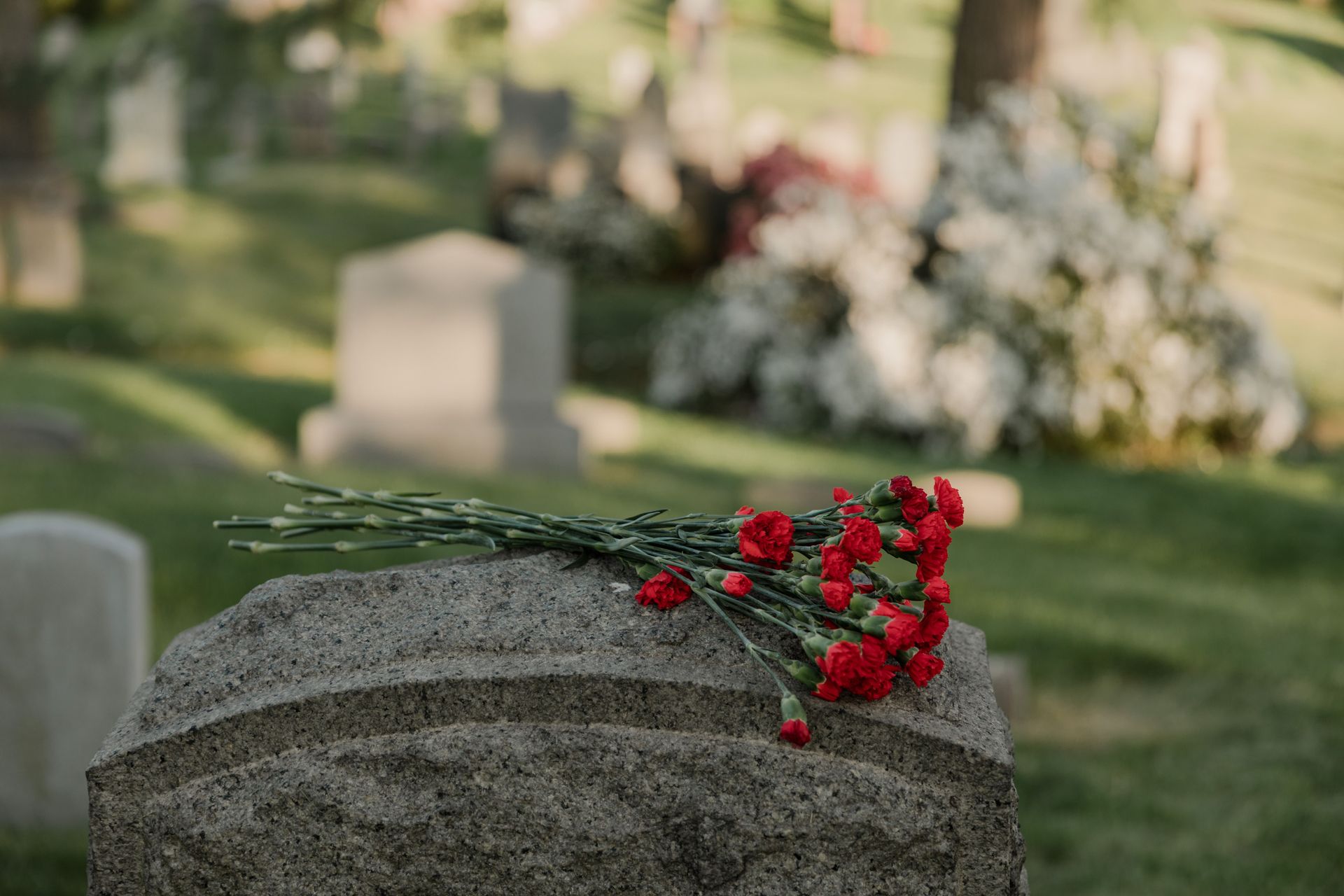
Chrysanthemums hold particularly strong associations with funerals in many European and Asian traditions, where they are considered the primary flower of mourning. Their long-lasting nature and abundant blooms make them practical choices for arrangements meant to remain beautiful throughout extended visitations and services. Carnations, especially in white and pink, offer similar longevity along with sweet symbolism of remembrance and love.
Orchids convey enduring love and represent a lasting bond, making them meaningful choices from those with deep personal connections to the deceased. Gladioli, with their tall spikes and multiple blooms, symbolize strength of character and moral integrity, often appearing in arrangements honoring individuals known for their principles. Forget-me-nots, though rarely available in large arrangements, carry their meaning directly in their name and are sometimes incorporated into personalized tributes.
Types of Arrangements and Their Uses
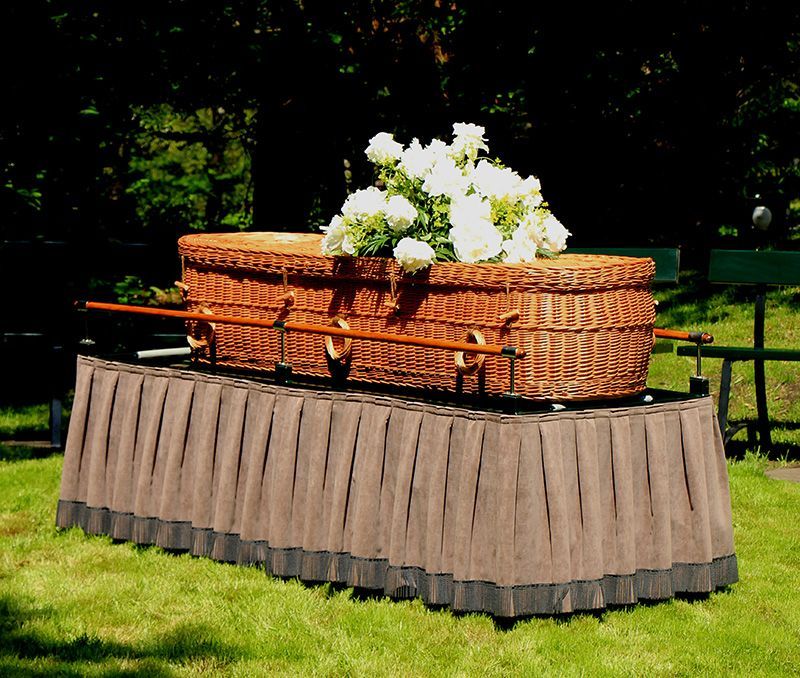
Funeral flowers appear in several distinct forms, each serving a specific purpose within the service. Casket sprays are the large floral arrangements that rest atop or drape across a closed casket. These arrangements are traditionally provided by the immediate family and often incorporate flowers that held particular meaning for the deceased or that reflect their favorite colors and styles.
Standing sprays are tall arrangements displayed on easels, positioned near the casket or urn during visitations and services. These striking displays often come from close family members, dear friends, or organizations with meaningful connections to the deceased. Their prominence makes them appropriate for expressing significant relationships and profound respect.
Wreaths, with their circular shape symbolizing eternity, offer another traditional option that can be displayed at the service, at graveside, or later placed on doors or in homes as ongoing memorials. Cross arrangements combine floral beauty with explicit religious symbolism, providing meaningful tributes for services with strong faith traditions.
Smaller arrangements such as bouquets, table centerpieces, and vase arrangements can be sent by extended family, friends, coworkers, and acquaintances. These arrangements often travel with families after the service and continue to provide comfort in homes during the difficult days that follow. Personalized floral tributes shaped into meaningful forms, such as musical instruments, sports symbols, or hobby references, allow those close to the deceased to honor unique aspects of their personality. Thoughtful personalization options can extend to floral choices, allowing services to reflect the individual being remembered in every detail.
Etiquette for Sending Flowers
When someone in your life has experienced a loss, sending flowers is a time-honored way to express sympathy. Understanding a few etiquette principles helps ensure that your gesture provides comfort rather than complication.
Timing matters when sending funeral flowers. Arrangements sent to the funeral home should arrive before the visitation begins, typically the morning of or the day before the service. Contacting the funeral home directly to confirm delivery details, timing, and any restrictions ensures that your arrangement arrives smoothly. Flowers sent directly to the family's home are appropriate any time in the days and weeks following the loss, and they often provide especially welcome comfort after the initial flurry of activity has ended.
Including a thoughtful card with your arrangement helps the family understand who sent the flowers and the relationship being honored. Cards need not be lengthy. A simple message expressing sympathy and mentioning your connection to the deceased or the family provides meaningful context. Sign the card with your full name, especially if there is any possibility the family might not recognize you by first name alone.
Some faith traditions and cultural customs have specific practices regarding funeral flowers. Jewish funeral traditions, for example, typically do not include flowers, with charitable donations or food gifts being more appropriate expressions of sympathy. Some families explicitly request donations to specific charities in lieu of flowers, and respecting these wishes honors the family's choices. Reading obituaries and service announcements carefully helps identify any specific requests.
When Families Prefer Alternatives to Flowers
Increasingly, families choose to direct sympathy toward causes and organizations that held meaning for their loved one rather than flowers. When an obituary specifies memorial donations to a particular charity, foundation, or organization, honoring that request provides ongoing meaning that extends beyond the days of the service.
Charitable donations often reflect the passions and values of the deceased. A retired teacher's family might request donations to a scholarship fund. A cancer survivor might be honored through gifts to research organizations. A lifelong animal lover might be remembered through contributions to shelters or wildlife rescues. These gifts create legacies that continue the work and passions that mattered during the deceased's lifetime.
Some families choose to accept both flowers and donations, recognizing that different friends and community members may prefer different ways of expressing their care. When in doubt about the family's wishes, checking with the funeral home or a family spokesperson provides helpful clarity.
For families exploring meaningful ways to honor loved ones through service planning, comprehensive service packages include thoughtful floral options that can be tailored to reflect the wishes and personality of the person being remembered.
Choosing Flowers That Reflect a Life
For families making floral decisions for their own loved one's service, allowing choices to reflect the individual being honored transforms flowers from generic tributes into personal statements. A gardener's service might feature blooms from their own garden or arrangements incorporating varieties they cultivated with pride. A beach lover might be honored with tropical arrangements that echo the coastal landscapes they loved. Someone with strong preferences for particular colors or styles can be remembered with arrangements that carry their aesthetic forward.
Seasonal considerations also play a role in flower selection. Arrangements built around flowers currently in bloom often feel especially vibrant and fresh, while seasonal foliage adds texture and meaning that fully imported varieties may lack. Coastal Carolina's climate offers a particularly rich array of options across the seasons, from summer's abundant hydrangeas to autumn's warm chrysanthemums.
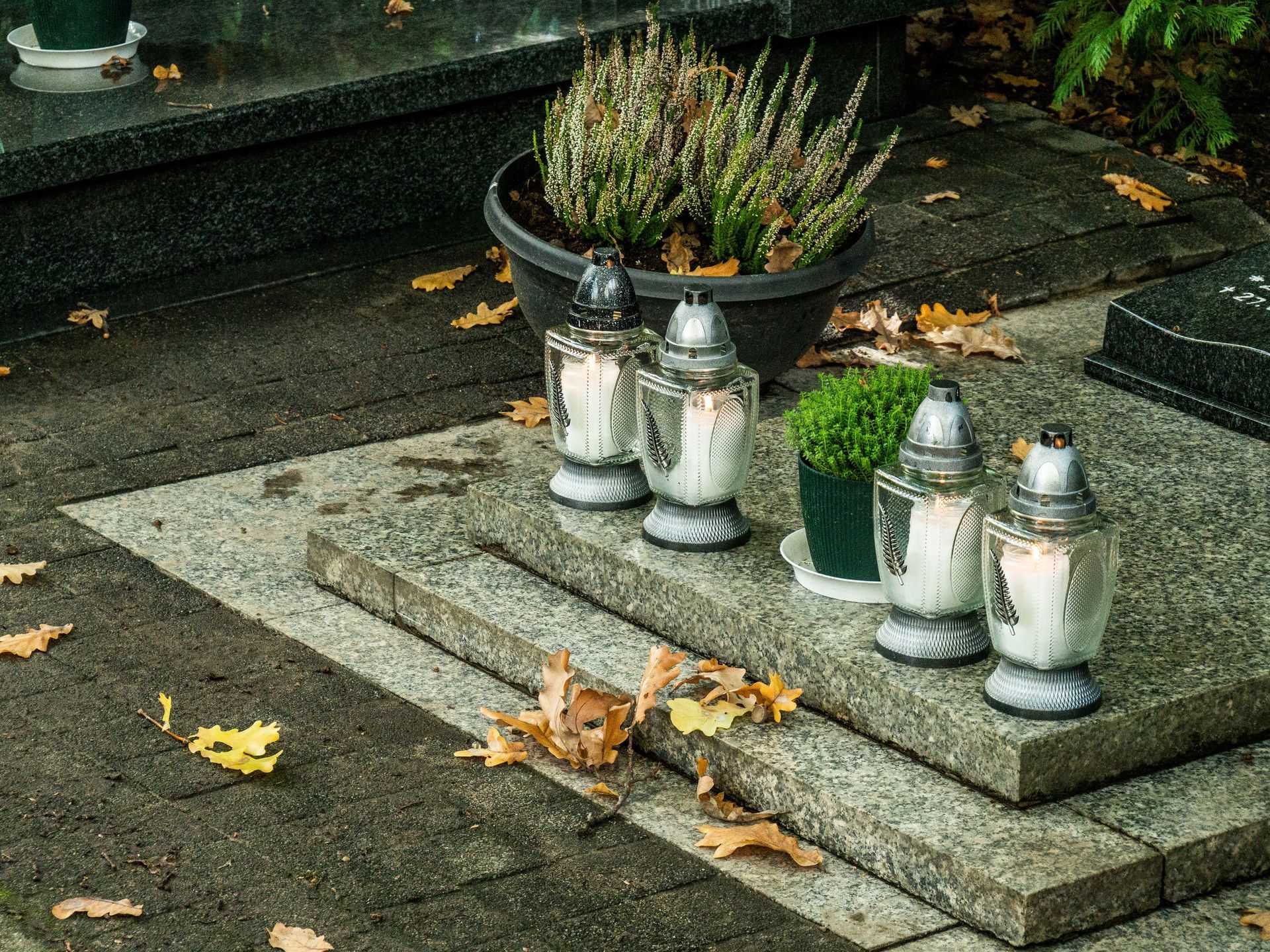
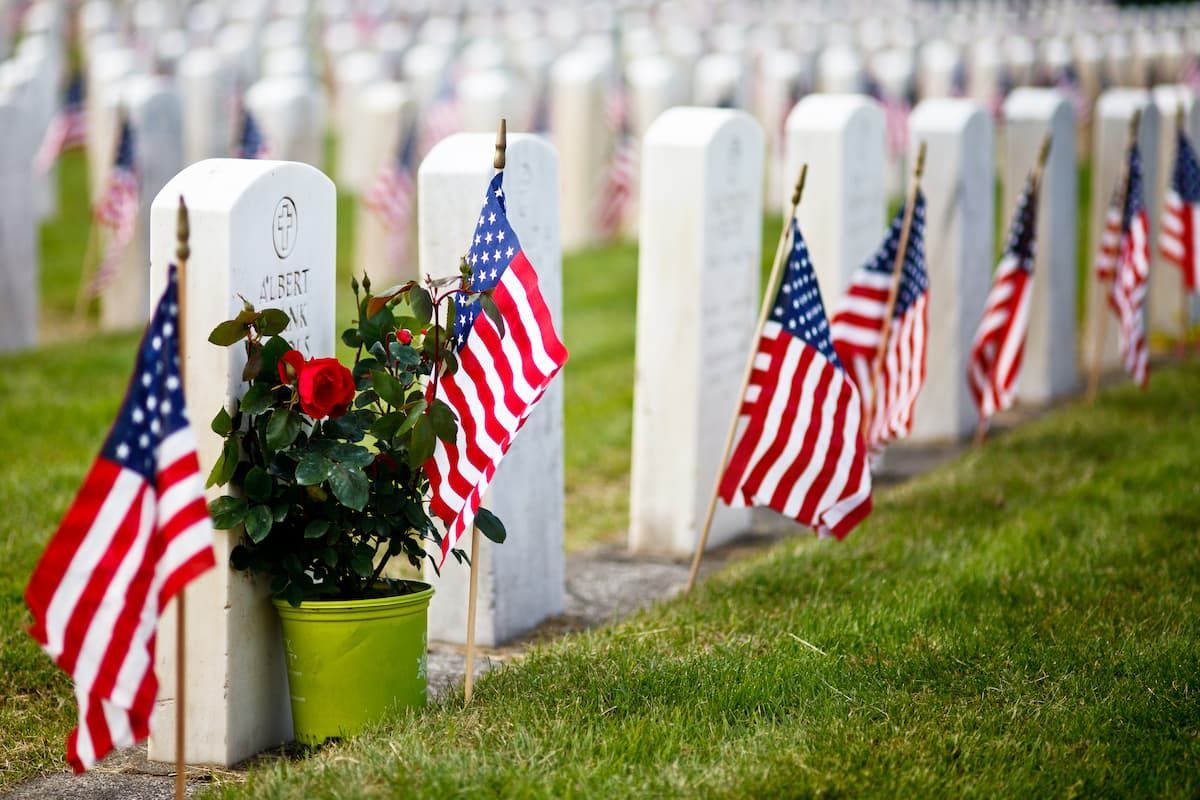
Beyond the service itself, families sometimes make arrangements for continuing floral tributes at the burial site or memorial location. Regular fresh flower deliveries, seasonal decorative arrangements, or plantings that will bloom year after year all extend the tradition of floral remembrance into the months and years following the loss.
The Language of Sympathy in Bloom
Whether elaborate or simple, traditional or unconventional, funeral flowers speak a language of care that transcends words. They tell grieving families that they are not alone, that their loved one is remembered, and that the community surrounding them extends warmth and support during their most difficult days. Even a single bloom left at a graveside months after a service communicates that the person who has died continues to matter.
If your family is planning a service and would like guidance on floral choices, or if you have questions about the many ways flowers can be incorporated into meaningful tributes, the compassionate professionals at Noe Funeral Service are here to help. From coordinating with local florists to helping design personalized arrangements that reflect a life lived, our team is ready to assist with every detail with the care, creativity, and personal attention your family deserves.