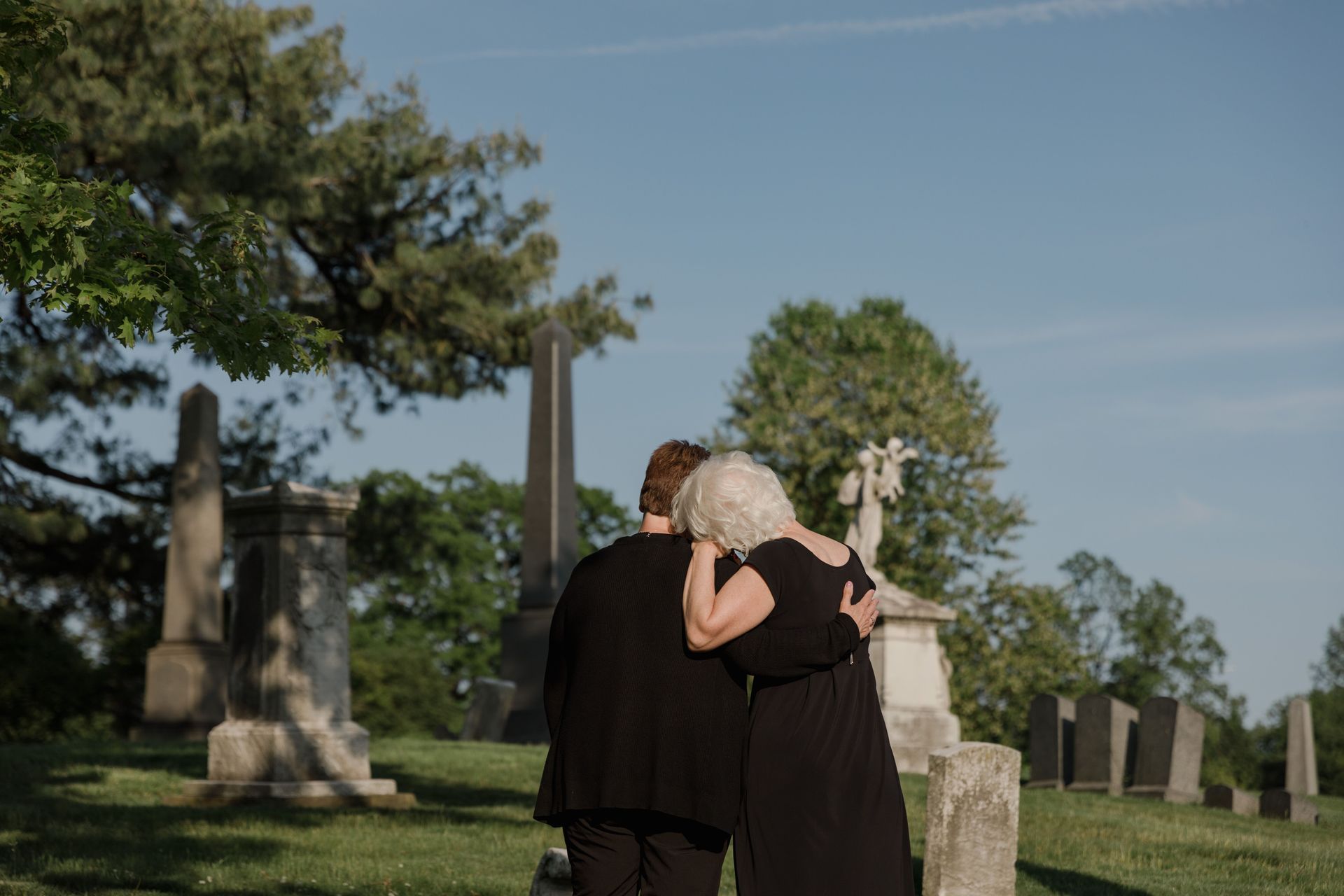

Navigating Grief During Summer: Finding Light in the Longest Days
Summer arrives with an expectation of joy.

Long days stretch toward warm evenings, families gather for vacations and cookouts, children spill out of classrooms with anticipation, and communities celebrate everything from the Fourth of July to local festivals. For those navigating grief, however, this season of brightness can carry an unexpected weight. The contrast between the world's outward celebration and the quiet ache of loss can intensify feelings of isolation, sadness, and longing in ways that catch many mourners by surprise.
Grief does not pause for the calendar, and the assumption that summer should feel lighter often makes the season more difficult for those who are missing someone they love. Understanding the unique challenges of summertime mourning and discovering gentle strategies for moving through these months can bring meaningful comfort during what can be an unexpectedly tender time of year.
The Hidden Difficulty of Sunlit Seasons
Many people anticipate that the holidays will be hard. Thanksgiving, Christmas, Hanukkah, and other winter observances are widely recognized as emotionally complex times for those who are grieving. Resources, support groups, and cultural conversations often focus on navigating these well-known difficult periods. Summer, by contrast, tends to be portrayed as a season of ease and enjoyment, which can leave grieving individuals feeling unseen when their pain intensifies during the warmer months.
The reality is that summer carries its own set of emotional challenges. Memorial Day, Father's Day, Independence Day, family vacations, beach trips, and milestone events like weddings and graduations all create occasions where the absence of a loved one feels especially pronounced. The empty chair at a backyard barbecue, the missing companion on what was supposed to be a long-awaited trip, the silence where a familiar laugh used to ring out across a swimming pool - these moments accumulate throughout the season and can leave grievers feeling exhausted by the constant emotional navigation.
Coastal Carolina communities feel this acutely. Summer along the Crystal Coast brings tourists, family reunions, fishing expeditions, and beach gatherings that often include traditions stretching back generations. For families who have recently lost someone who loved the coast, the season can feel haunted by memories around every corner. The same ocean that once symbolized joy and togetherness may now stir a complicated mix of beauty and sorrow.
When Routine Disappears
Another factor that complicates summer grief is the disruption of normal routines. The structure that helps many mourners get through their days, work schedules, school drop-offs, regular appointments, and standing commitments often loosens during summer months. Children are home from school, workplaces operate on reduced schedules, and the predictable rhythms of life give way to a more fluid pace.
For those in early grief, this loss of structure can be destabilizing. The absence of demands that pull mourners into the world can leave too much space for difficult thoughts to fill. Long, unstructured days that should feel relaxing can instead feel empty and overwhelming. Recognizing this pattern allows grievers to create gentle structure for themselves, even when external obligations have lessened.
Building small daily rhythms can help anchor difficult days. A morning walk before the heat becomes intense, a regular phone call with a supportive friend, scheduled time for reflection or journaling, and intentional plans for evenings can all provide the gentle framework that grief often needs. These rhythms do not need to be ambitious. The goal is simply to create reliable touchpoints throughout the day that offer stability and meaning.
The Complicated Beauty of Summer Memories
Summer is a season rich with memory. The smell of sunscreen, the sound of waves, the taste of watermelon, the feel of warm sand underfoot - all of these sensory experiences can trigger powerful recollections of times spent with loved ones who are no longer here. For grievers, these triggers can arrive unexpectedly and overwhelm even on otherwise good days.
Rather than trying to avoid these memories, which often proves impossible, many mourners find healing in welcoming them. Allowing memories to surface, acknowledging them, and even sharing them with others can transform painful triggers into meaningful moments of connection with the person who has died. A favorite ice cream flavor enjoyed on a hot afternoon can become a small ritual of remembrance. A familiar fishing spot visited intentionally can provide space for quiet conversation with someone no longer physically present.
Some families create new summer traditions that honor their loved one's memory. Lighting a candle each evening at sunset, sharing a meal of the deceased's favorite summer foods on a meaningful date, gathering at a beloved beach for a quiet remembrance, or planting a garden that will bloom in seasons to come can all weave loving acknowledgment into the fabric of summertime life. Comprehensive grief resources offer additional ideas for creating meaningful rituals that support healing throughout the year.
Supporting Grieving Children Through Summer
Children process grief differently than adults, and the unstructured nature of summer can pose particular challenges for young mourners. Without the social environment of school, regular contact with teachers and counselors, and the predictable rhythm of academic life, grieving children may feel adrift in ways that adults around them do not immediately recognize.
Parents and caregivers can support grieving children by maintaining open communication throughout the summer months. Brief, honest conversations about feelings, memories, and questions provide important outlets for young people who may struggle to articulate complex emotions. Creating opportunities for children to express their grief through art, storytelling, physical activity, or quiet time alone allows them to engage with their feelings in age-appropriate ways.
Including children in family rituals of remembrance can also be powerfully healing. Bringing a child to visit a grave site, encouraging them to share memories during family meals, or creating small projects that honor a loved one's memory all communicate that their grief is valid and that the family is processing the loss together. Specialized resources for children navigating grief provide guidance, books, and activities specifically designed to support young people through loss.
For families with children grieving the loss of a parent or grandparent, summer can be particularly tender as they navigate experiences that the missing loved one would have shared. Acknowledging this directly, rather than trying to mask the absence, often helps children feel seen and supported in their pain.
The Importance of Community Connection
Isolation can compound grief at any time of year, but summer presents unique challenges. While social activity surrounds grieving individuals, much of it may feel inaccessible or overwhelming. The cheerful atmosphere of summer gatherings can amplify feelings of being out of step with the world, leading some mourners to withdraw entirely from social contact.
Maintaining connection with supportive friends and family members, even in small doses, can provide important emotional sustenance during these months.
This does not require pushing through every social invitation or pretending to feel celebratory when grief sits heavy on the heart. Instead, it might mean accepting one quiet dinner invitation each week, taking short walks with a close friend, or scheduling regular video calls with relatives who understand the loss.
Support groups specifically designed for grieving individuals can be especially valuable during summer months.
The shared understanding of others who are also navigating loss creates safe spaces where mourners can be honest about their experiences without needing to manage others' reactions. Whether attending a faith-based support group, a community grief group, or a specialized program for those who have lost spouses, parents, children, or siblings, the connection found in these gatherings often becomes a lifeline through difficult seasons.
When Loss Happens Far From Home
Summer is also a time when many people travel, and unfortunately, losses sometimes occur when families are away from home. The death of a loved one during a vacation, business trip, or extended visit elsewhere adds layers of logistical complexity to the already overwhelming experience of grief. Coordinating arrangements across state lines, navigating unfamiliar procedures, and managing travel logistics during a time of profound emotional difficulty can feel impossible without experienced guidance.
Families facing this situation benefit enormously from working with funeral service providers who understand the unique requirements of bringing a loved one home. Dedicated support for situations involving a death away from home ensures that all necessary arrangements, transportation, documentation, and coordination with out-of-area providers are handled with care and professionalism. Knowing that experienced professionals are managing the practical details allows grieving families to focus on what matters most, which is being present with each other during a profoundly difficult time.
Permission to Grieve in Your Own Way
Perhaps the most important message for anyone navigating grief during summer months is this. There is no correct way to mourn, and there is no timeline that grief is required to follow. The expectation that warm weather, longer days, and social opportunities should lift sadness can create additional pressure on those who simply feel what they feel. Honoring your own experience, whatever it looks like, is a profoundly important act of self-care.
For some, summer activities provide welcome distraction and genuine moments of joy that coexist with grief. For others, the season feels relentless in its demands, and quiet days at home offer more healing than crowded beaches or busy gatherings. Both responses are valid, and many grievers find that their needs shift from week to week or even day to day.
Listening to what your body, heart, and mind are asking for, even when those needs differ from what others expect, allows grief to move through you rather than becoming stuck. Some days will be harder than others, and some moments will surprise you with their tenderness. Through it all, the love that underlies grief remains, transformed but never diminished.
Finding Your Way Forward
The long days of summer can become an invitation to slow down and tend gently to your own healing. Whether you are early in grief or marking another season without someone you love, the warm months hold the potential for unexpected moments of connection, meaning, and even peace. Allowing yourself the grace to move at your own pace, to seek support when needed, and to honor your loved one in ways that feel authentic to you transforms a season that might initially feel difficult into one that holds quiet possibility.
If you or someone you love is navigating the complexities of grief and seeking compassionate guidance, the caring professionals at Noe Funeral Service are here to provide support, resources, and understanding. Whether you have questions about grief support, are considering planning ahead, or simply need someone who understands to listen and offer guidance, our team is dedicated to walking alongside you with the care and respect your family deserves during every season of life.